Milk Factory: Witnessing Where Women Pump
Written by Katie Hintz-Zambrano
Photography by Corinne May Botz
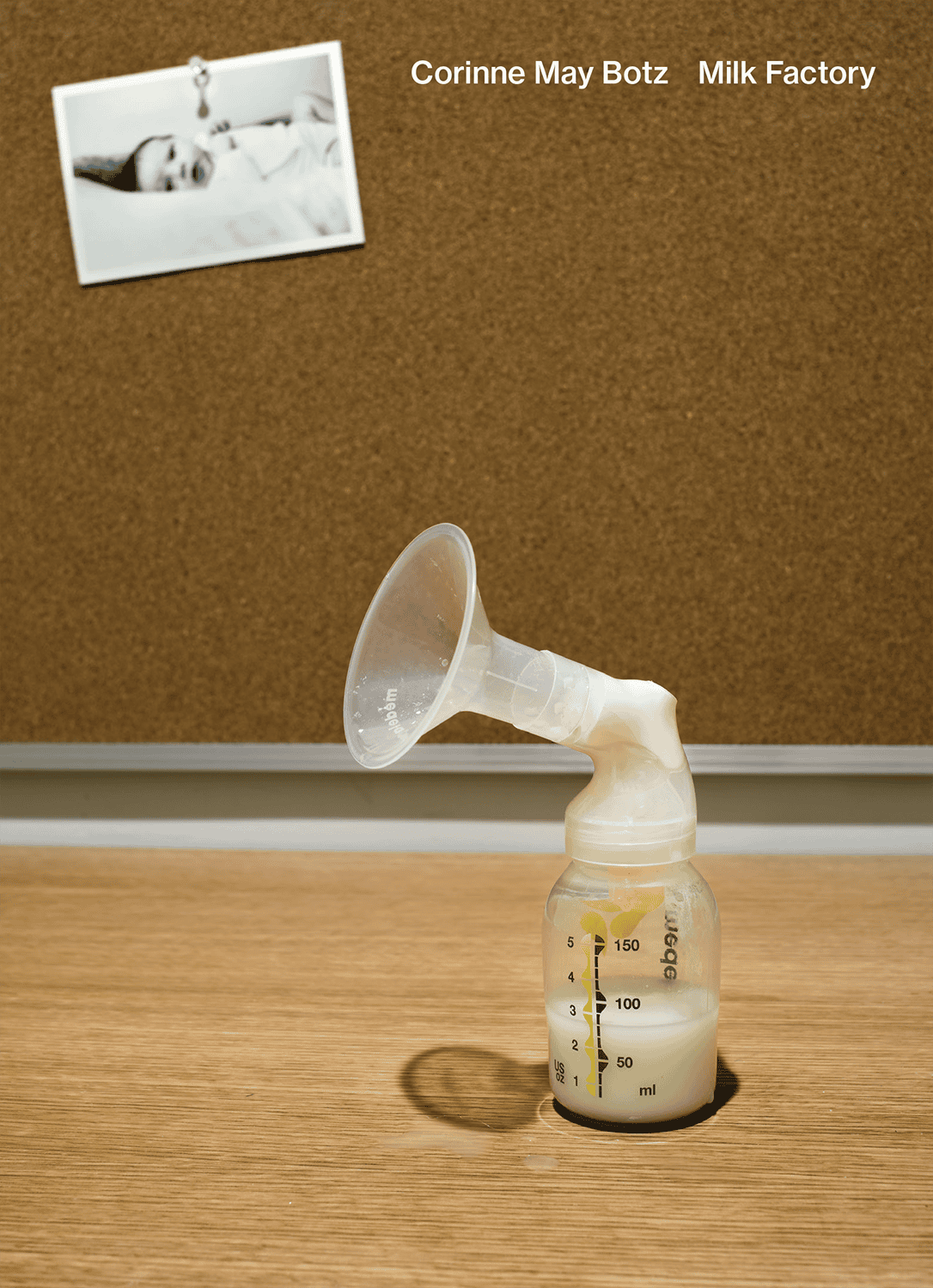
1 / 13
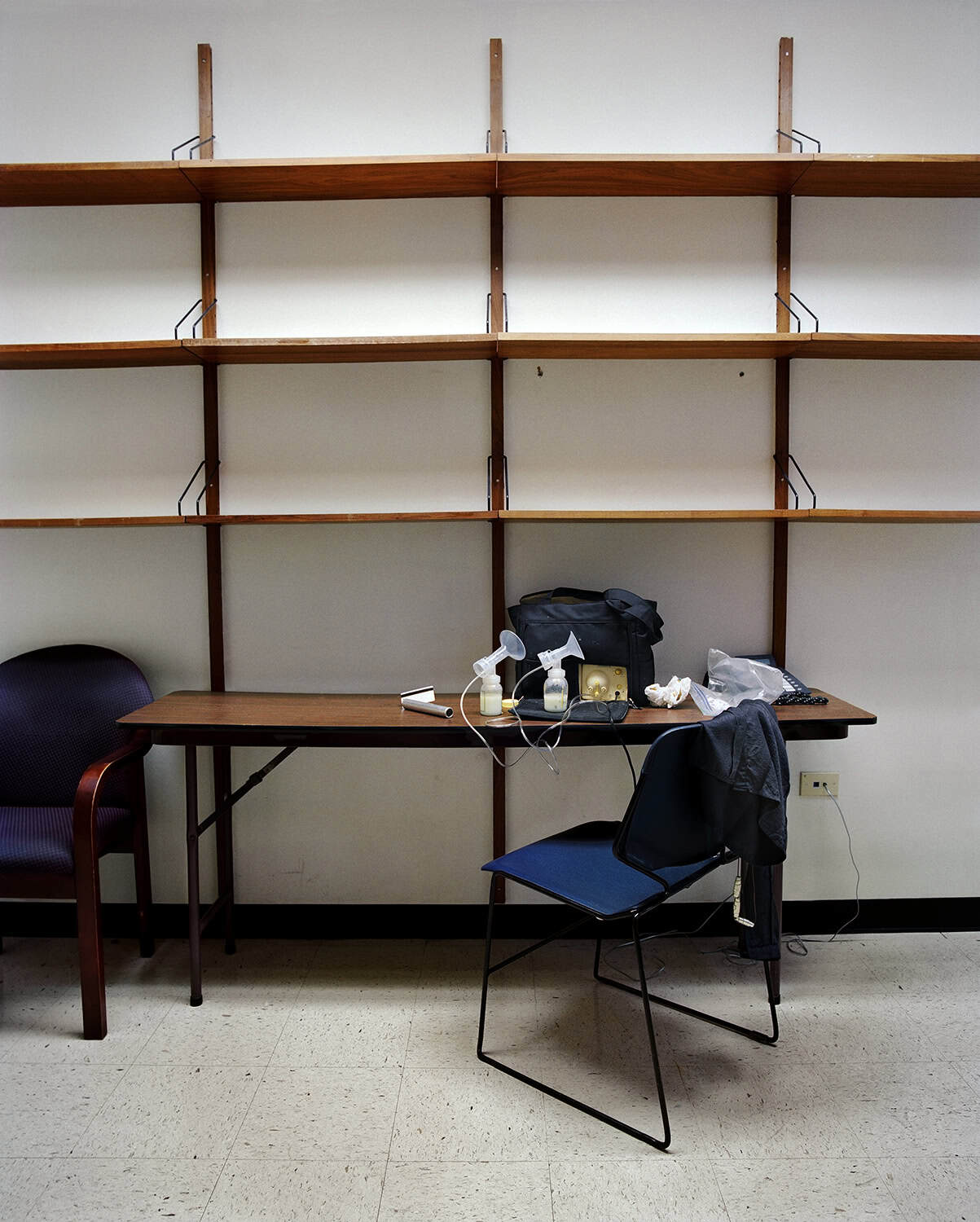
Adjunct Professor — Photograph by Corinne May Botz
2 / 13
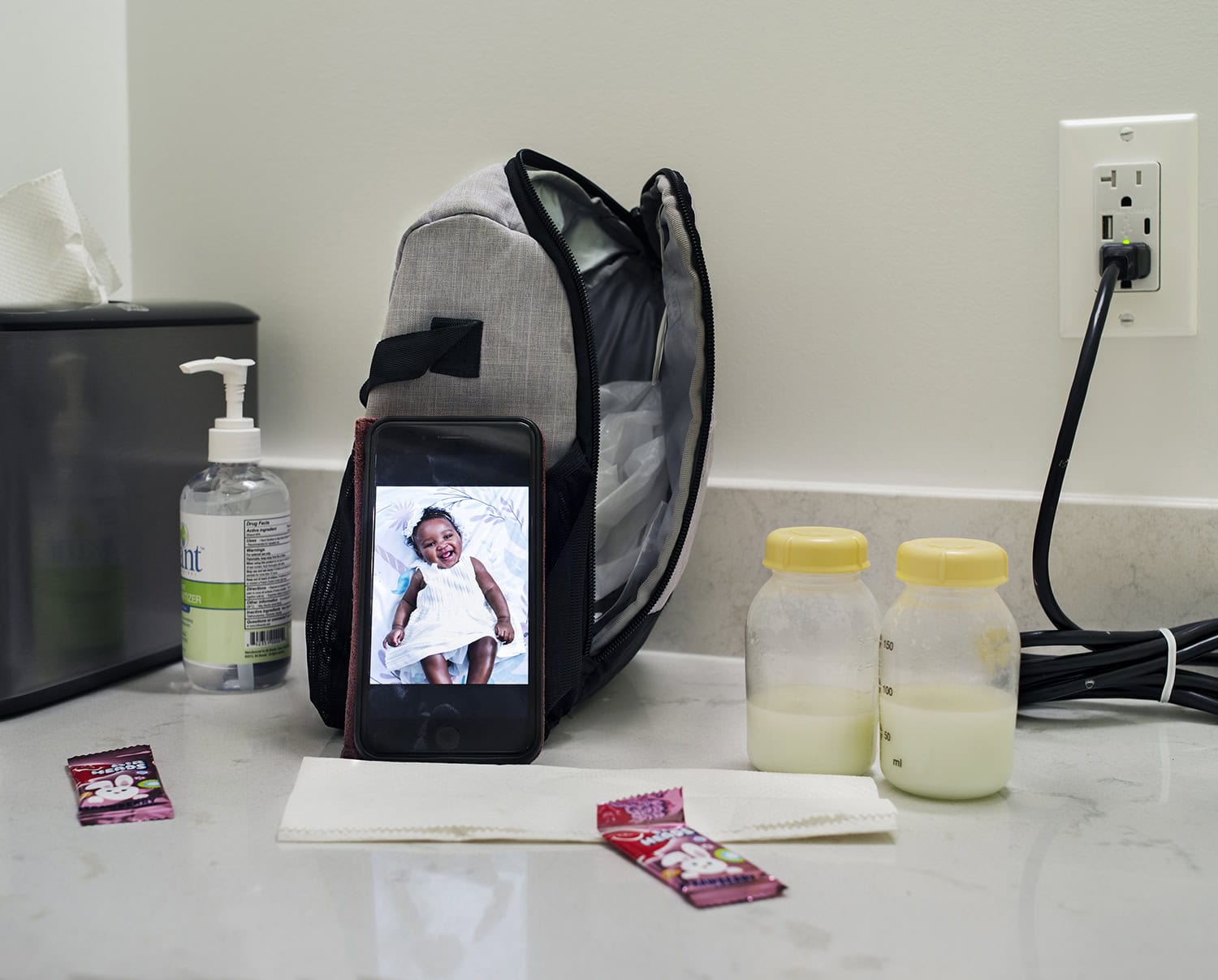
Administration Specialist — Photograph by Corinne May Botz
3 / 13
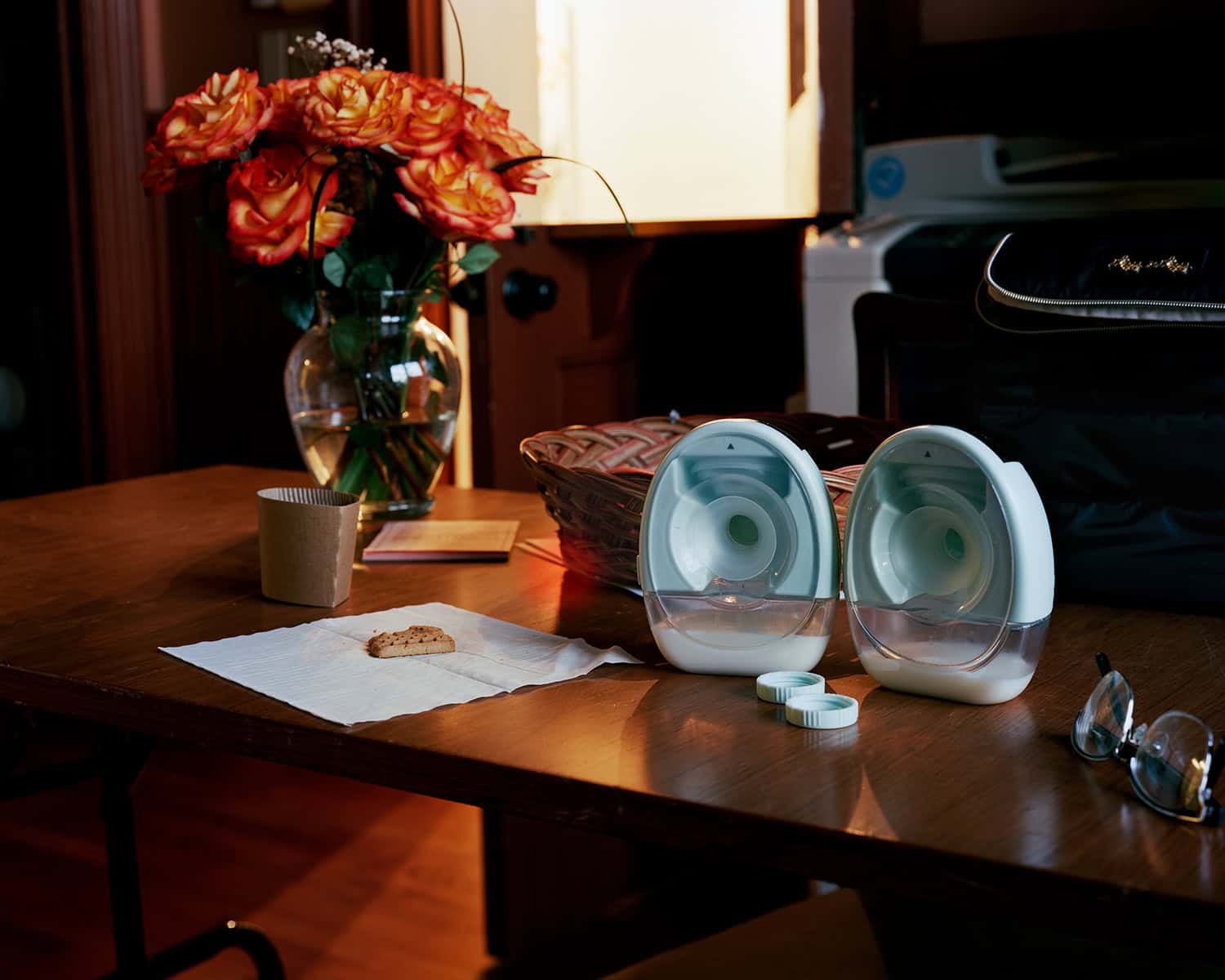
Opera House Administrative Associate — Photograph by Corinne May Botz
4 / 13
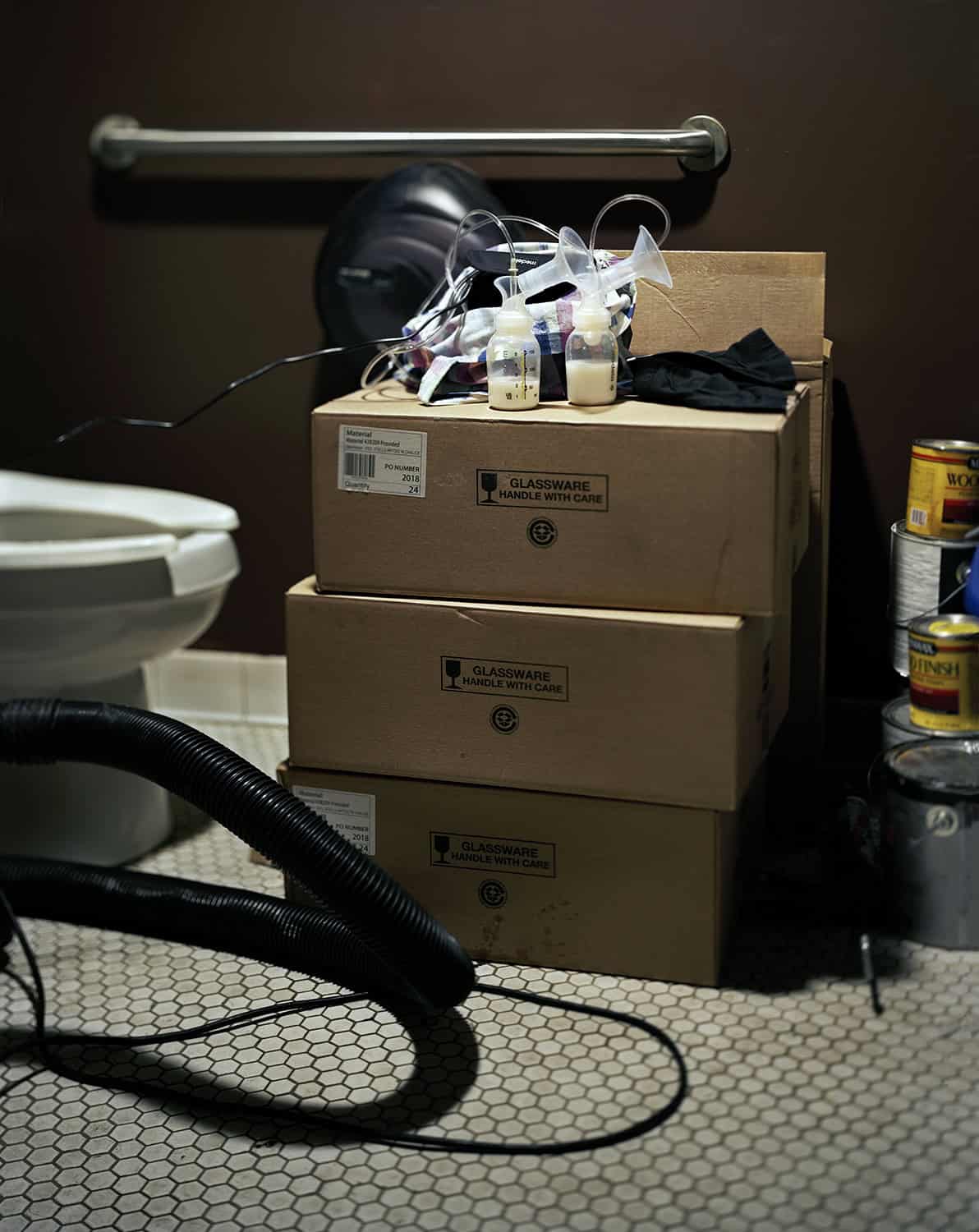
Bartender — Photograph by Corinne May Botz
5 / 13
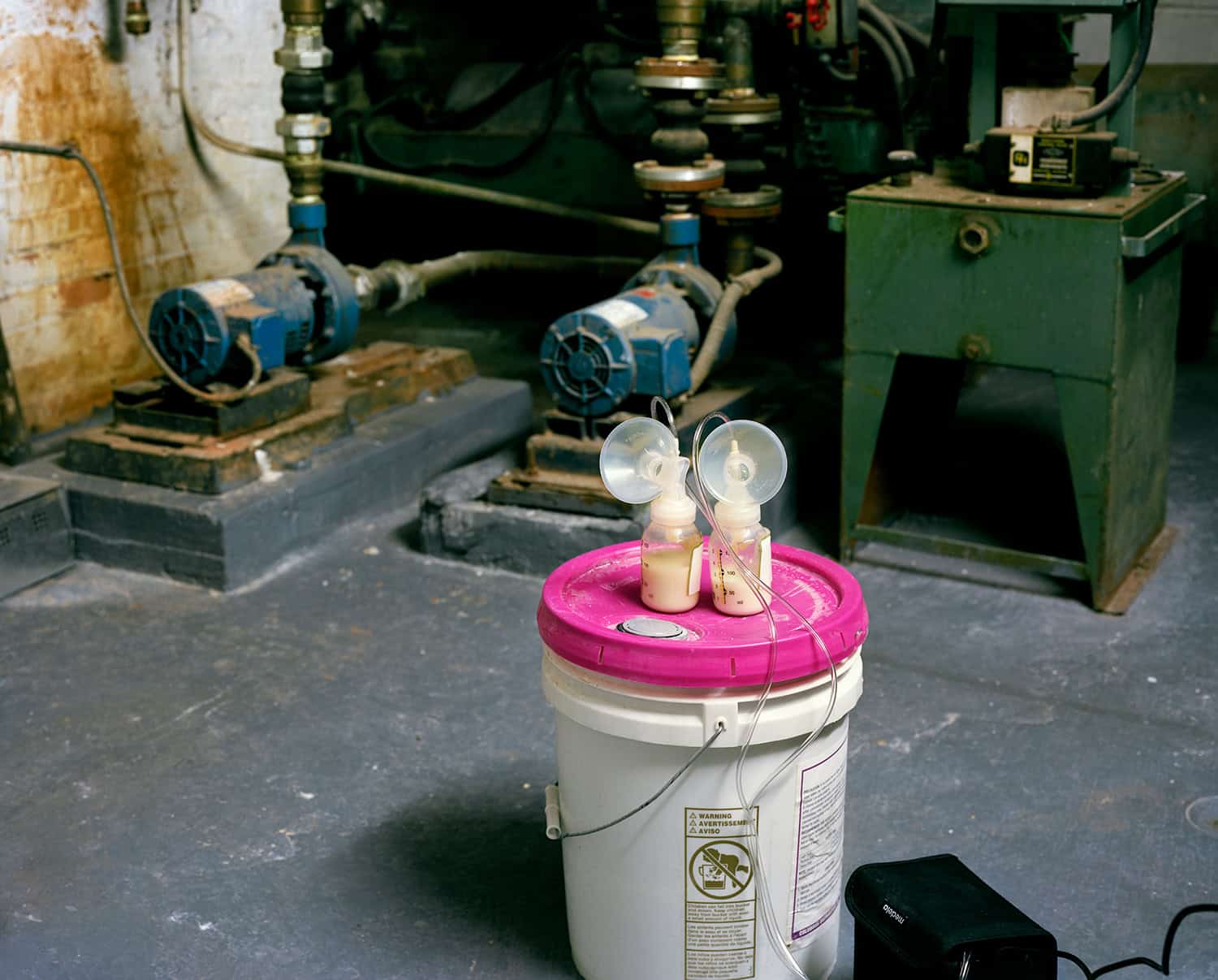
Building Manager— Photograph by Corinne May Botz
6 / 13
Cosmetic Nurse — Photograph by Corinne May Botz
7 / 13
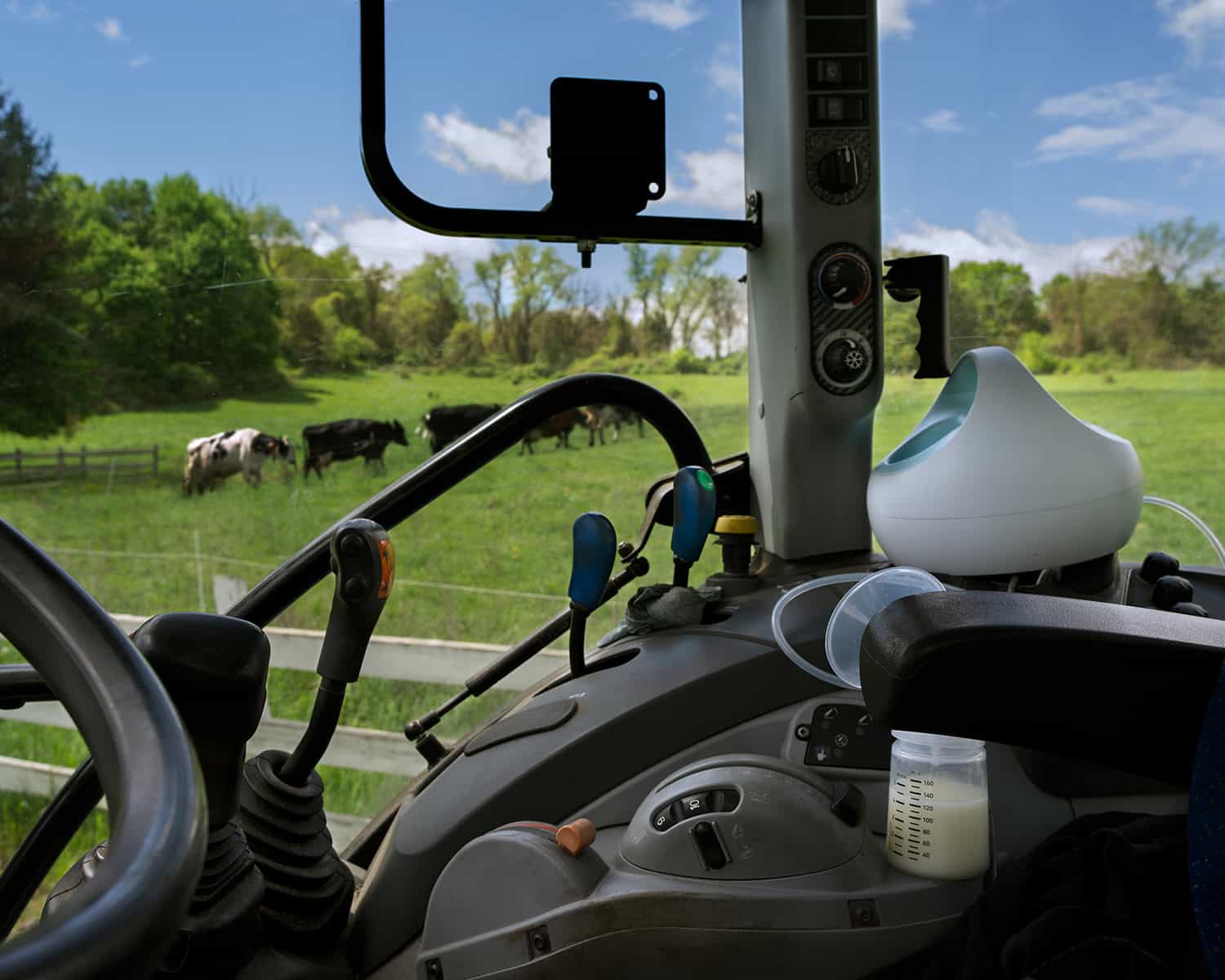
Dairy Farmer— Photograph by Corinne May Botz
8 / 13
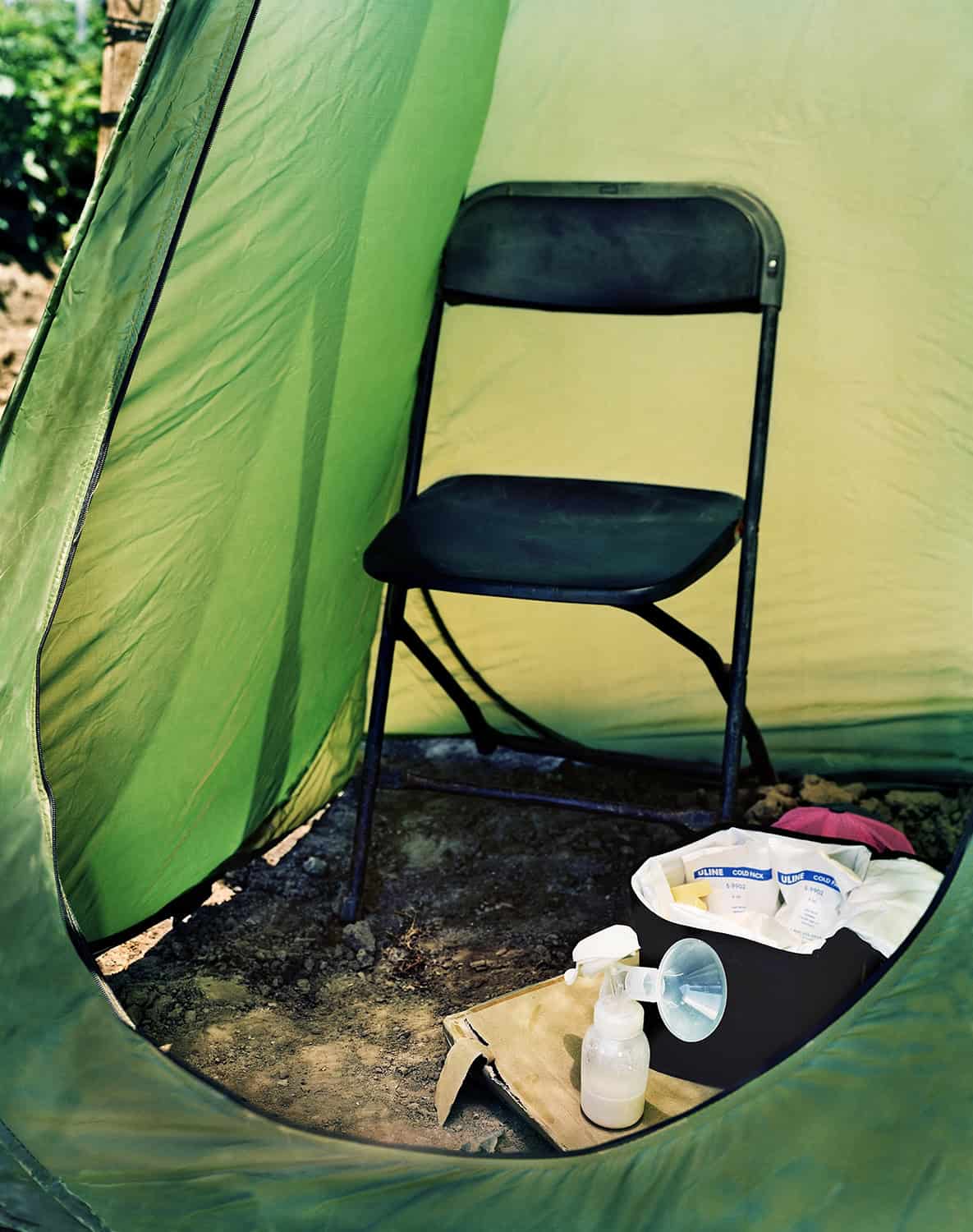
Farm Worker — Photograph by Corinne May Botz
9 / 13
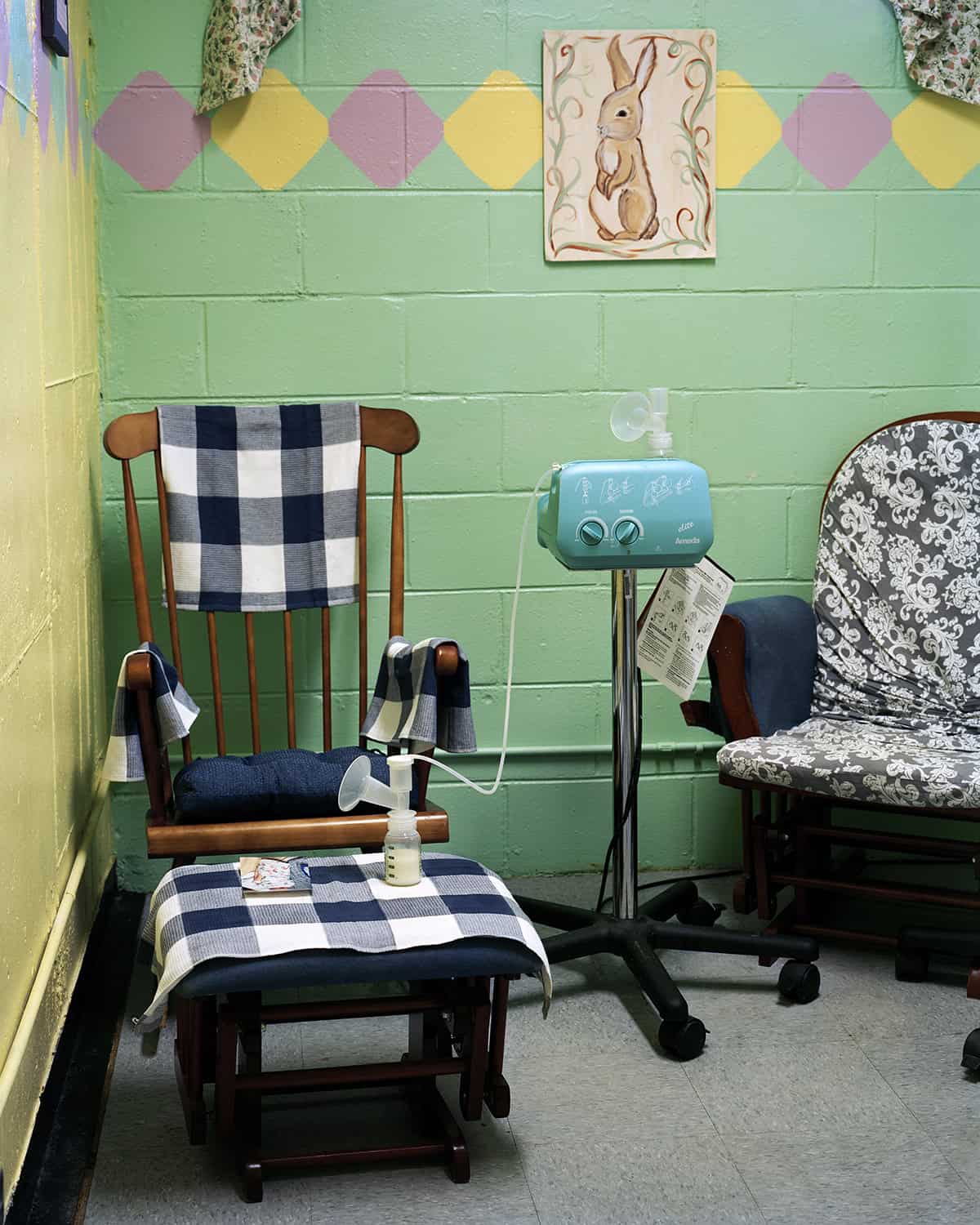
Julia-Tutwiler Prison for Women — Photograph by Corinne May Botz
10 / 13
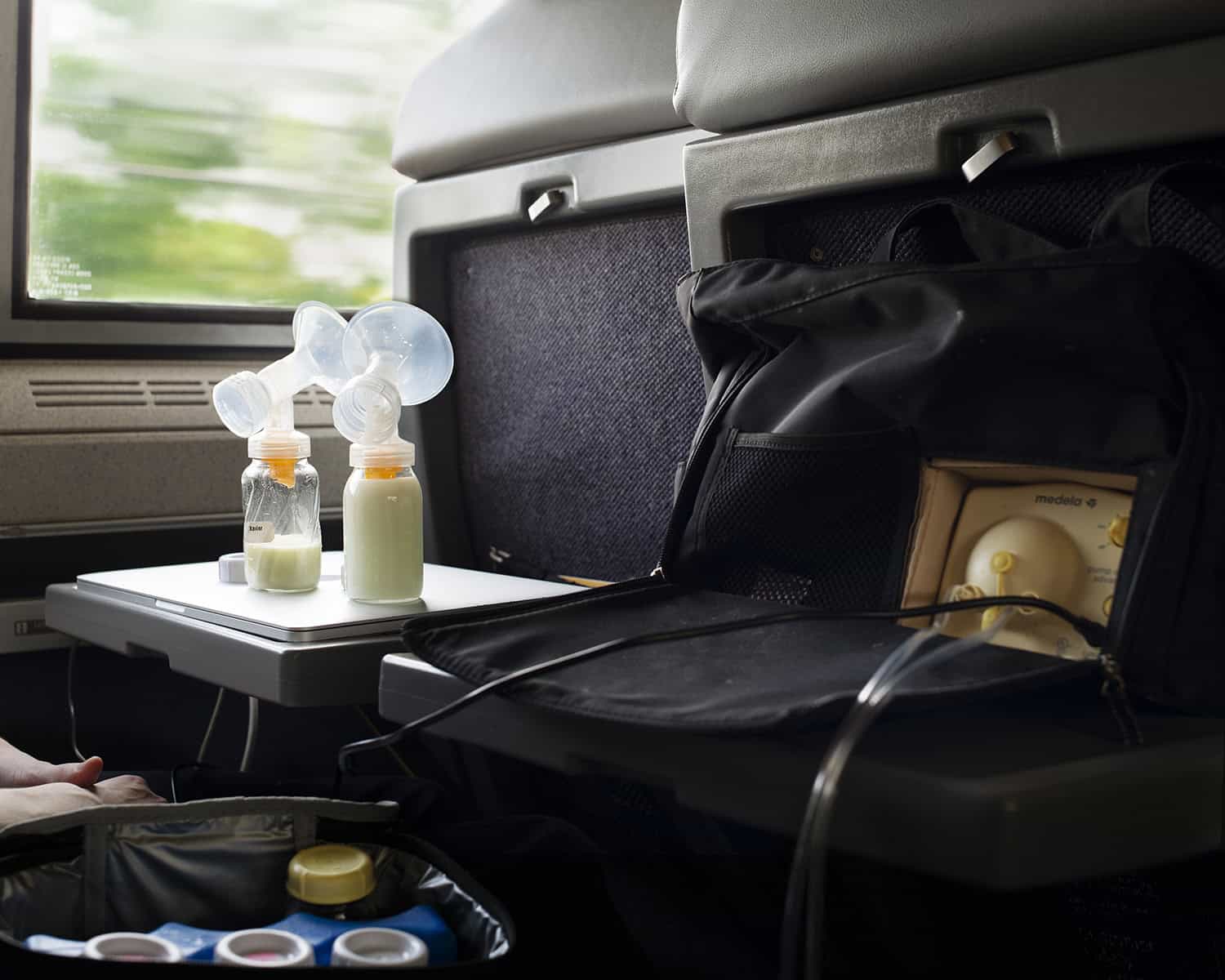
Legal Scholar — Photograph by Corinne May Botz
11 / 13
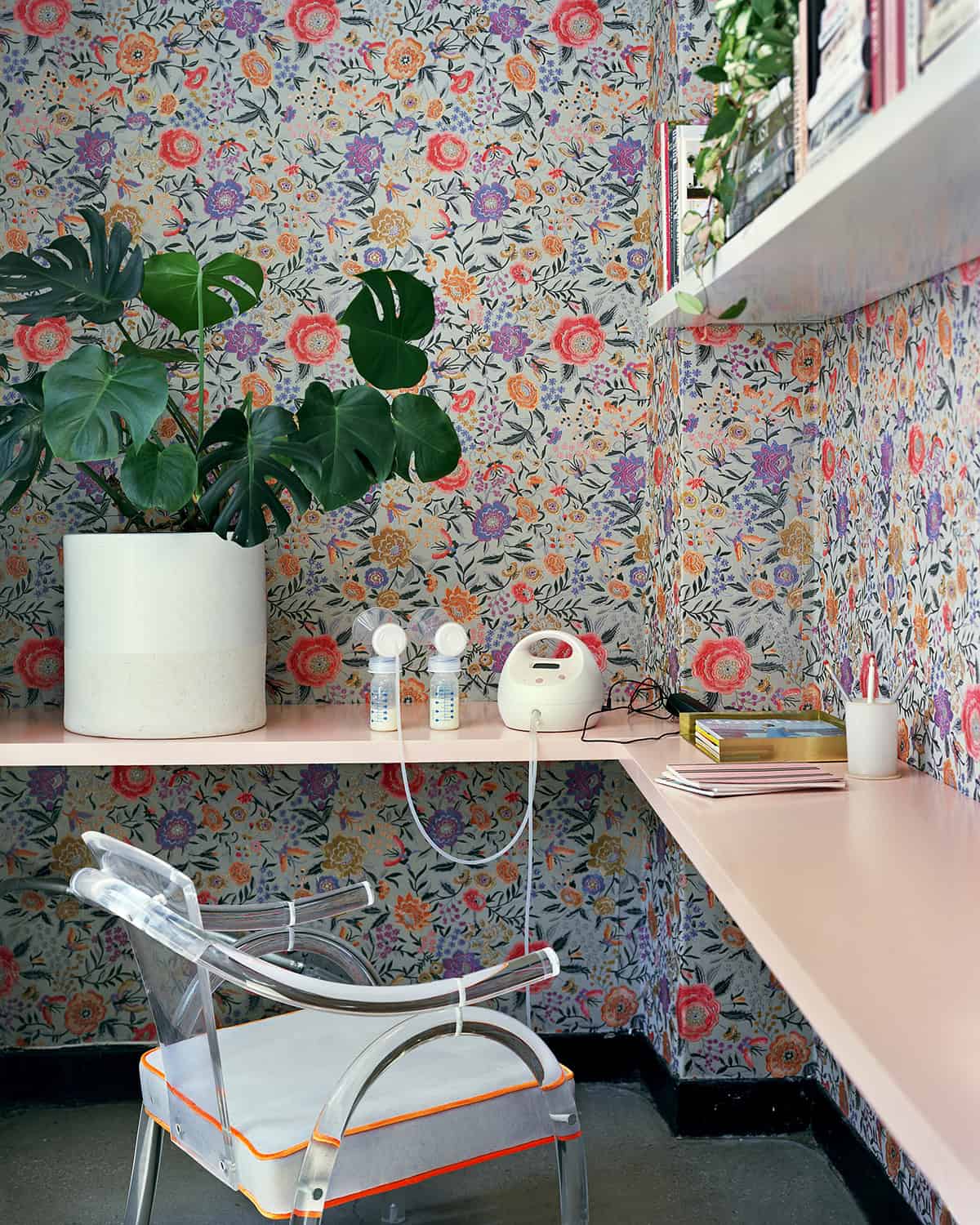
Magazine Creative Director — Photograph by Corinne May Botz
12 / 13
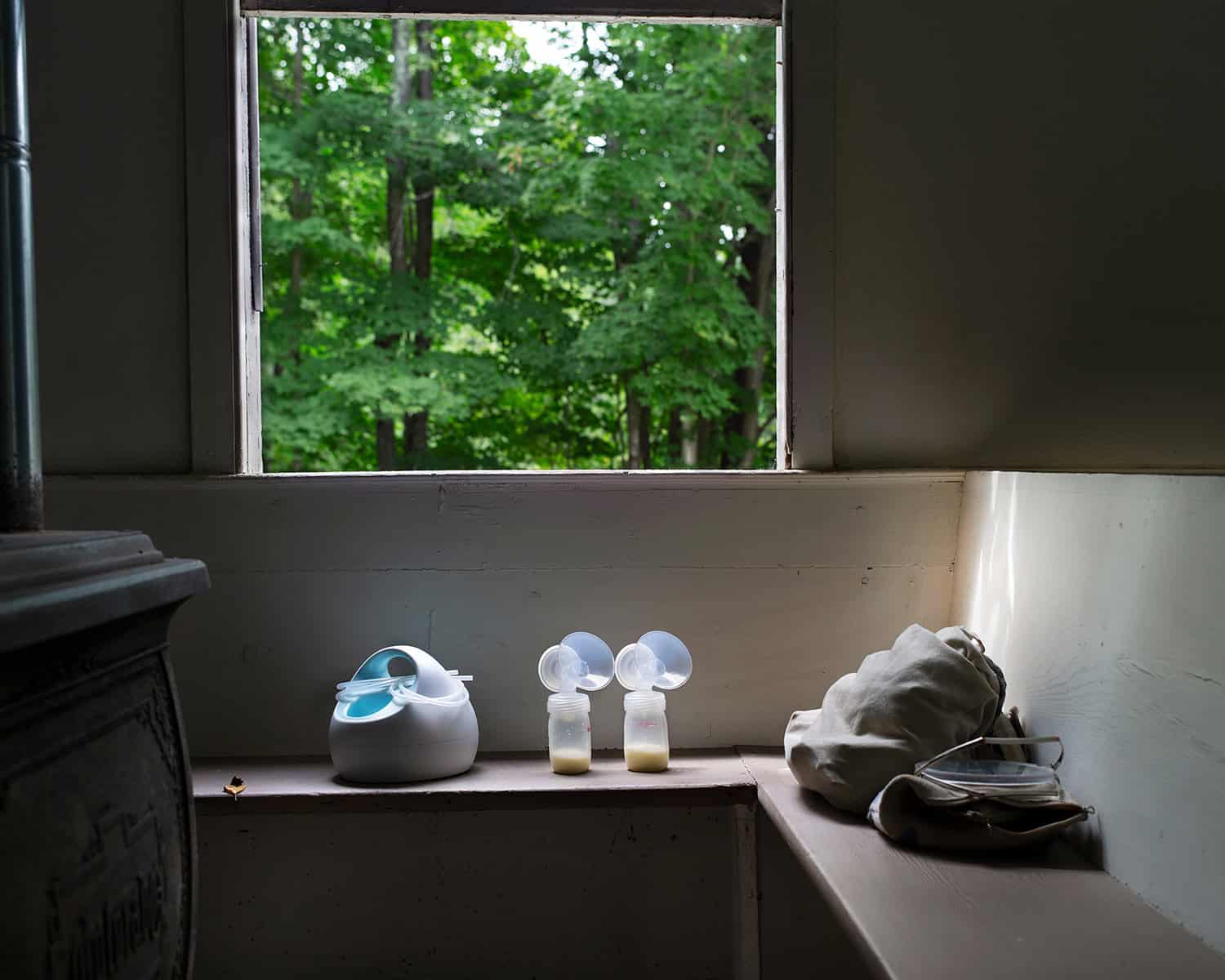
Musician — Photograph by Corinne May Botz
13 / 13
Photographer Corinne May Botz on Milk Factory — a photo, video, and book project that makes the invisible labor of pumping visible.
For many mothers, pumping exists in the margins of daily life: tucked between meetings, hidden inside supply closets, squeezed into commutes, classrooms, break rooms, bathrooms, and the odd hours of the day. It’s a form of caregiving that is deeply physical, often isolating, and rarely seen.
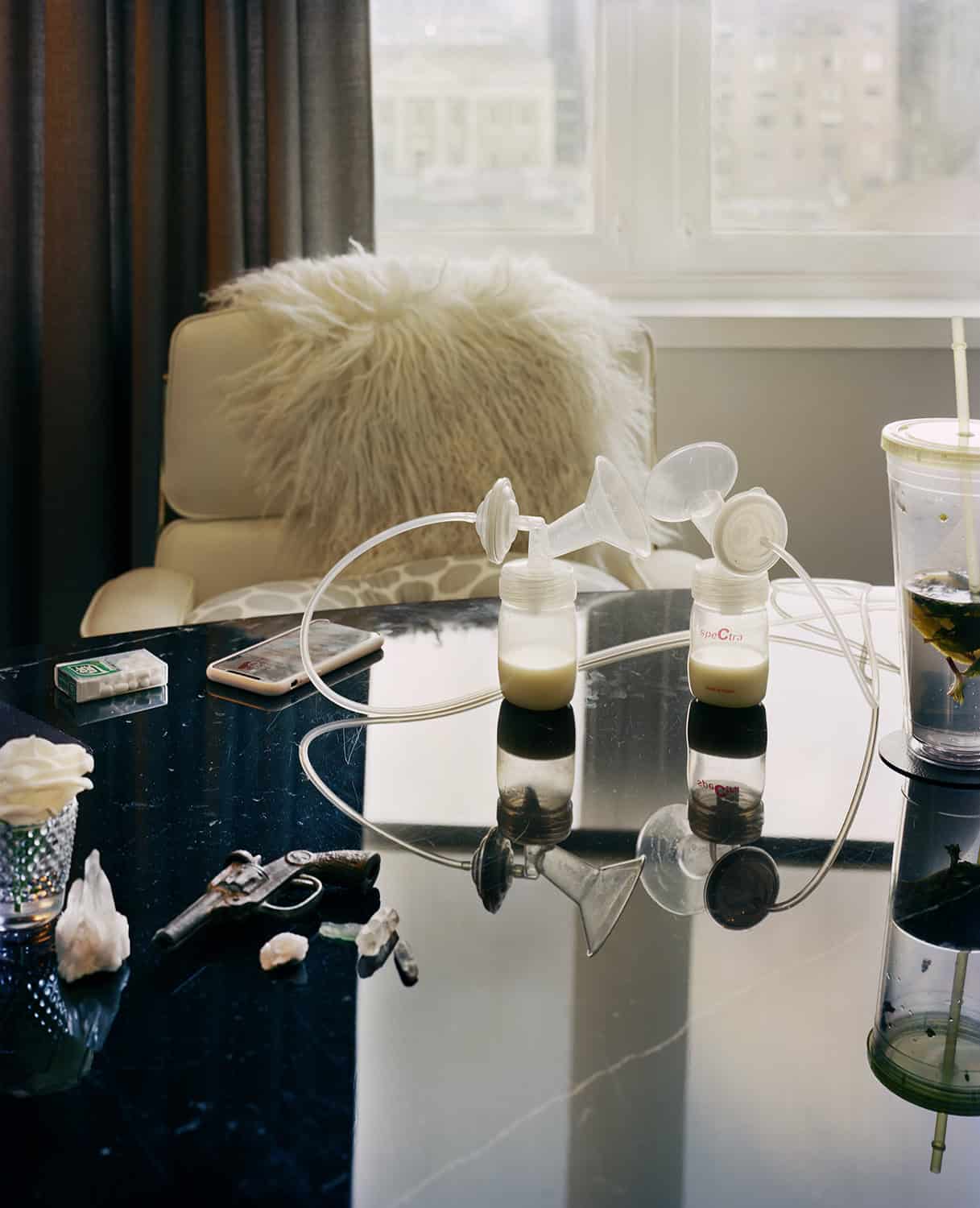
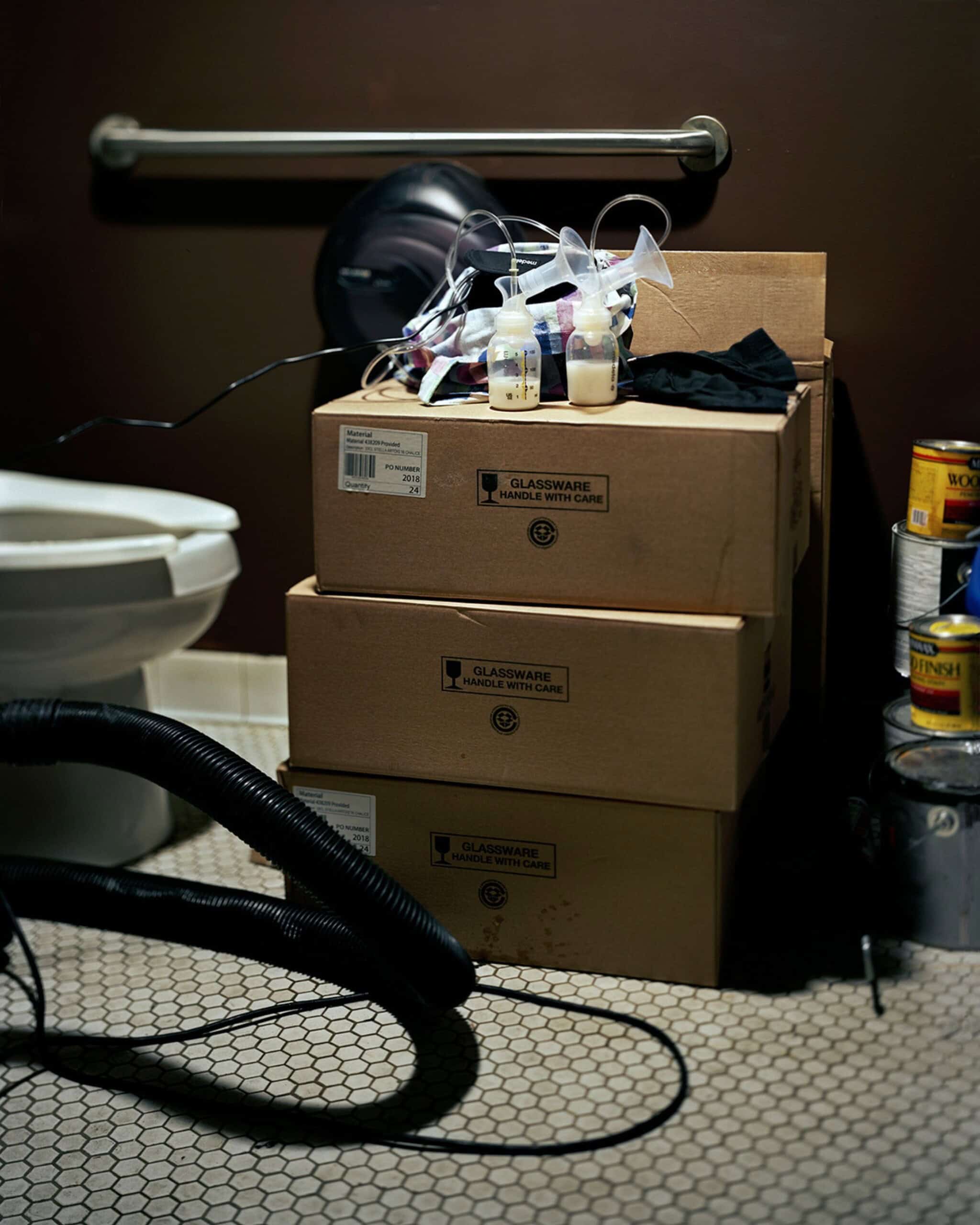
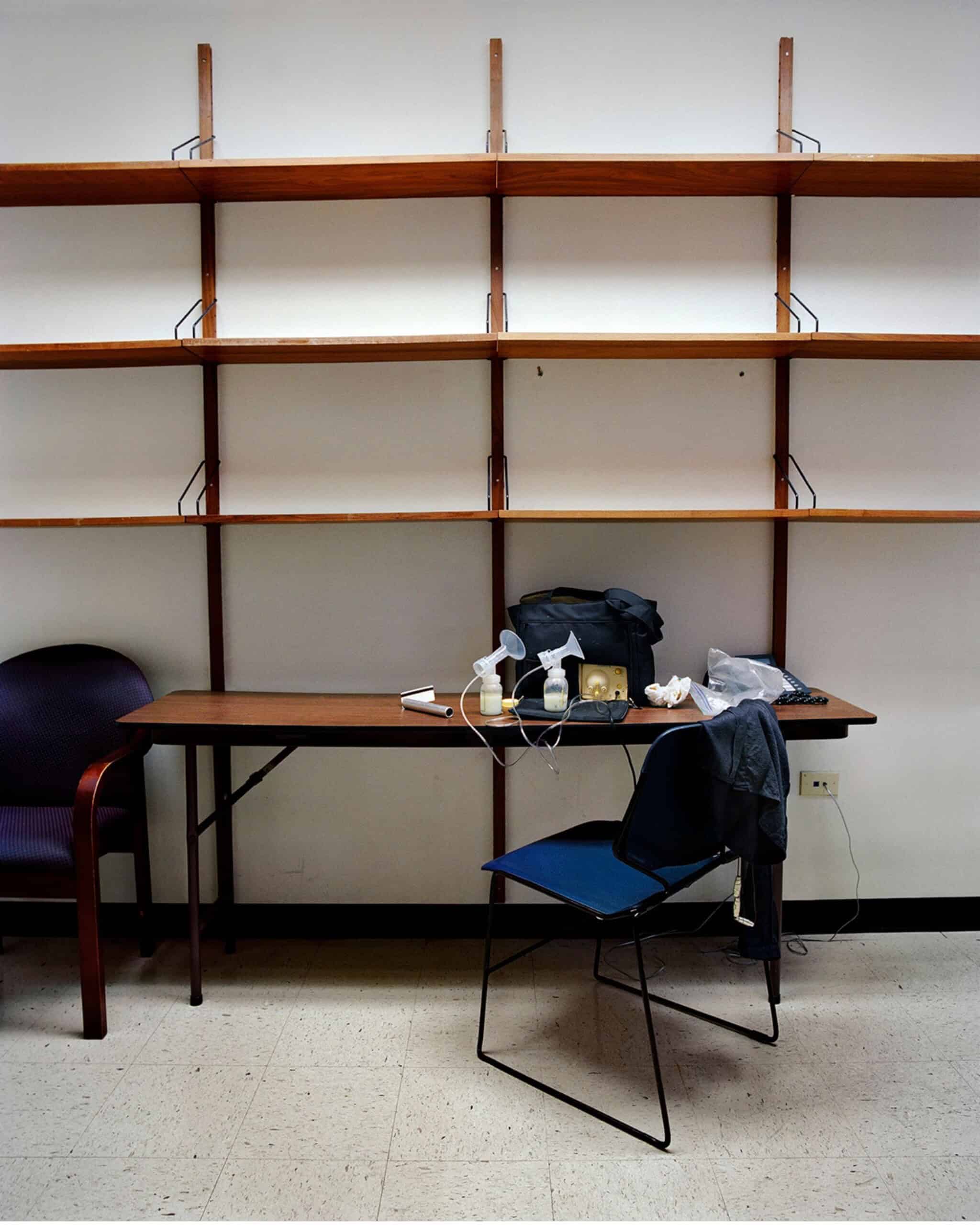
In Milk Factory, artist and photographer Corinne May Botz makes that invisible labor visible. The new book is the first visual study of America’s lactation rooms, documenting the spaces where mothers pump—from prisons and farm laborers’ tents to corporate offices, airports, schools, and even the U.S. Capitol. Using a large-format film camera, Botz photographs these rooms after the mothers have left, allowing the spaces—and the traces of care within them—to tell the story.
Born from her own experience as a pumping mother, the six-year project (which spans photos and video) examines the complicated realities of modern parenthood, work, and caregiving in America.
“The act of pumping highlights the ongoing negotiation in motherhood between connection and autonomy, and the ideological contradictions inherent in modern parenthood and public policy,” Botz explains.
The result is both intimate and political: a portrait of motherhood told through absence, and a powerful reminder of the unseen labor that keeps families—and society—running. Plus, the obvious lack of systemic support for lactating folks.
In today’s feature, we spoke with the Upstate New York-based photographer (now mom to a 12-year-old daughter) about the origins of her project, the surprising places it led her, and why making this specific form of caregiving visible is vital.
Follow more of Corinne’s work at corinnebotz.com and @corinnebotz.
You can purchase Milk Factory from Saint Lucy Books.
You've said this project grew out of your own pumping experience. Tell us about it.
"My first experience pumping was to store supplementary milk for my infant daughter because I needed to leave her for surgery, and up to a week-long hospital stay. I felt a primal need to provide her breastmilk in my absence. Pumping milk for my daughter when I returned to teaching was more straightforward. But the official lactation room that had been set aside was so strange that one day I took a photograph of it as a record of early motherhood. That’s how Milk Factory began."
What inspired you to start the documentation of pumping spaces more formally and also turn it into a book?
"Pumping struck me as a really interesting way to create an unconventional portrait of motherhood that challenges idealized portrayals of motherhood. The act of pumping highlights the ongoing negotiation in motherhood between connection and autonomy, and the ideological contradictions inherent in modern parenthood and public policy. The project creates space for the mother’s needs and desires, which are often overlooked in narratives and prescriptive expectations surrounding motherhood. My aim was to honor this unrecognized care work through photography. The social dimension of photography is central to my process, so I was eager to meet new mothers who have returned to work during such a transformative, vulnerable time. I wanted to give women a record of their labor and make it visible to others."
“I wanted to give women a record of their labor and make it visible to others.”
You made the deliberate choice not to photograph mothers directly. How did you arrive at that decision and why was it important to you?
"I take a conceptual approach to photography—we bring preconceptions when looking at images, and I’m interested in challenging those expectations. I made portraits of the subject through objects and the space. That absence creates a balance between intimacy and distance. There’s something inherently disembodied about pumping. A lot of depictions of motherhood, like Madonna and child, historically have been sentimental or idealized, but breastfeeding is a privilege that is not accessible to many people in the U.S. I didn’t want to set up the maternal body for an outsider's gaze. It’s the view of the mother—it's her pumping space, her belongings, her milk. I find focusing on the space rather than a physical person can help the viewer to imaginatively enter the image, and perhaps empathize more."
What was behind the decision to use a large-format film camera?
"I love how that camera slows me down. Everything looks so beautiful through the ground glass. It also results in a 4” x 5” inch negative that can make beautiful large-scale images that allow viewers to become immersed in the images and take in the strangeness of the details. The formal aesthetic elevates this marginalized subject matter and connects it to a long tradition of recording interiors and still lives."
The first-person accounts span different socioeconomic realities. How did you think about whose voices to include and how did you find your subjects?
"I wanted to get outside my own bubble and represent the most diverse pumping experiences to reflect the plurality of caregiving experiences. I tried every means possible to find mothers to participate: online parent groups and community boards, social media, word of mouth, letters to companies of interest, milk banks, and widespread dispersal of postcards. People wanted to be part of this project. There was an underlying consensus that this is important and not talked about enough. Some women had an intense experience and felt an urgent need to share. Others wanted to participate in order to help make it better for the next person. I think some women were being generous, and wanted to help out a fellow mom working on a project."
"Preserving anonymity might have made some people feel more inclined to participate, although the women who volunteered were really open. If my intention was to photograph the figure, I would have found a way to do that with the subject’s consent."
After researching so many different women's pumping experiences, what do you think employers (and the U.S. as a country) could do to make breastfeeding easier and more comfortable for women?
"The U.S. is the only wealthy nation without federally mandated paid parental leave, and 25% of women return to work less than two weeks after giving birth. The benefits of paid leave for families, for workplaces, for society are well documented. The following would also make a difference: flexible workplaces, postpartum care, lactation support, paid lactation breaks, and thoughtfully designed lactation spaces."
You began this work years ago before the pandemic. Looking at the images now, what feels like it has shifted in how America treats lactating workers and what feels exactly the same?
"I started working on this project before the 2022 Pump Act, which has expanded protections so more workers have a reasonable break time and a private space to express milk. Despite this advancement, studies show that one in three women still do not have a place to pump at work. Mamava pods have also helped reduce breastfeeding barriers by providing accommodations, especially during travel for working parents. Pumping technology has also improved, partly due to the MIT 'Make the Breast Pump Not Suck' hackathon. With small wearable pumps, many women are pumping while they perform their jobs, including wheeling patients into the ER or during meetings. The ability to pump while working can increase flexibility, but it also risks further normalizing the expectation that mothers remain continuously productive. Lactation labor is widely expected but not valued or supported enough."
Getting into a prison, a farm laborer's tent, corporate offices, the Capitol—did any location change how you thought about the project?
"While researching, I learned about the Congressional lactation rooms. I immediately knew I had to not only photograph but also make a film there, in the very place where laws are decided that shape everyday caregiving experiences. Mothering has so much to do with access to resources and societal structures, so bringing that space into the project felt important."
"I learned something from every woman I met through this project. Participants included lawyers, farmers, teachers, police officers, curators—women doing demanding jobs while simultaneously nurturing their children from afar through pumping. I was struck by how many different experiences of pumping there were and by the ways women adapted and changed how they did things because of their experiences. Like the woman in my book who began publicly pumping on her Amtrak commute out of necessity and as a form of political action."
"The project includes many narratives of resistance—people trying to make things better for those who come after them and imagining new models of care inspired by mothering. That collective aspect became an important part the project."
“The act of pumping highlights the ongoing negotiation in motherhood between connection and autonomy, and the ideological contradictions inherent in modern parenthood and public policy.”
Did anything surprise you during the creation of Milk Factory?
"I think it’s interesting that a lot of men, many who are not parents, have taken an interest in the work and have supported the project. I love that even if you have not had this experience, that something so specific can become universal."
Making the invisible labor of caregiving visible is really powerful. What do you think these types of photographs are asking viewers to remember or reckon with?
"Lactation is so vast and there are many ways into this project. I’m not interested in making prescriptive work. I’m drawn to work that leaves space for viewers to find their own meaning, so it’s always interesting to hear what resonates with people."
"I agree it’s powerful to make this labor visible and reveal a cultural blind spot. I’m saying look at this, it’s worthy of close scrutiny. The project allows people to visualize a reality that is nearly universal yet often kept out of view, uncompensated, and still taboo. An older man I know who never had children told me the work reminded him that we are mammals. I loved that response because it speaks to our interdependence. Seeing the photographs, many women share experiences about the crazy places they have pumped and the raw emotional experiences tied to that time. Some women say looking at the images they feel something akin to nostalgia. I think the work also asks us to reckon with workplace culture, capitalism, and the fraught relationship between public and private life or paid and unpaid labor. I wanted to break down the binary of public and private life in the images."
Does the topic of motherhood feel like an especially fruitful area for you to make art?
"Yes, I see motherhood as inherently creative and generative. Even when I’m not making work directly about motherhood, being a mother enriches my life and art. There’s so much exciting work being made in this area right now. I curated a group show on motherhood at BAXTER ST at CCNY in 2019, and I feel optimistic to see a larger canon continue to take shape."
Share this story